Reroofing is one of the few home improvement projects where delay almost always increases cost. Shingles age quietly, flashing wears down gradually, and small failures often stay hidden until weather exposes them. By the time replacement becomes unavoidable, homeowners are forced to make financial decisions quickly. Understanding what actually drives reroofing costs allows those decisions to be deliberate rather than reactive. For anyone serious about roofing, whether from a professional or homeowner perspective, budgeting begins with recognizing that no two roofs are priced the same for good reason.

The size of the roof establishes the baseline, but the shape determines the workload. Roofing is priced by surface area, not interior square footage, and that area increases with every valley, dormer, and intersecting plane. A simple gable roof allows crews to maintain rhythm and efficiency. A roof with complex geometry demands slower work, additional flashing, and precise detailing. Pitch also matters. Steeper slopes reduce production speed and increase safety requirements, which directly affects labor cost.
Material selection remains one of the most influential pricing variables. Asphalt shingles dominate residential roofing because they offer predictable performance at a manageable cost. Architectural shingles carry a higher price point than standard three-tab products, but their added thickness, wind resistance, and lifespan justify the difference for many homeowners. Metal roofing introduces a higher upfront investment driven by material cost and specialized installation, yet its durability and longevity appeal to those thinking in decades rather than years. Tile, slate, and wood systems occupy a premium tier, where structural reinforcement and specialized craftsmanship become part of the price equation. Sound budgeting considers how long a material is expected to perform, not simply what it costs to install.
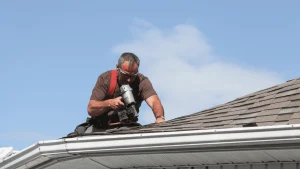
Labor often represents the largest portion of a reroofing budget. Roofing is skilled work performed in conditions that demand experience and discipline. Steep pitches, multi-story elevations, limited site access, and weather exposure all influence labor efficiency. Regional labor markets also play a role, as demand and availability fluctuate throughout the year. Experienced crews command higher rates because they reduce installation errors, protect the structure, and ensure the roof performs as designed.
The existing condition of the roof system can significantly alter the final cost. Tear-off frequently reveals issues that were not visible during inspection. Moisture-damaged decking, deteriorated fascia, and compromised structural components must be corrected before new materials are installed. These repairs add expense, but they also restore the foundation that supports the entire roofing system. Budgeting without allowing for this reality places the project at risk once work begins.
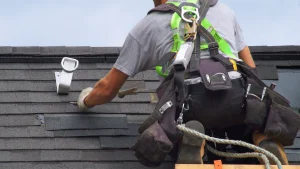
Tear off and disposal are essential components of reroofing that homeowners often underestimate. Removing old roofing materials is labor-intensive, and disposal costs increase with material weight and the number of existing layers. While some roofs allow limited re-roofing over existing shingles, a full tear-off provides the opportunity to inspect the deck properly and ensures the new roof installs flat and performs consistently.
Ventilation is another factor that affects both cost and longevity. Inadequate ventilation accelerates shingle aging, traps moisture, and contributes to heat buildup in the attic. Reroofing presents the most practical opportunity to correct these issues by improving intake airflow, adding ridge ventilation, or balancing the system as a whole. These upgrades increase the initial cost but reduce the likelihood of premature failure and moisture-related damage.
Building codes also shape reroofing budgets. Local requirements may specify underlayment types, ice and water protection, fastening patterns, and wind resistance ratings. Permit fees and inspections vary by jurisdiction and should be accounted for during planning. In regions exposed to severe weather, enhanced installation standards are common. These requirements increase upfront costs but reflect performance expectations tied directly to local conditions.
Insulation improvements are sometimes addressed during reroofing when attic access allows for evaluation. Correcting deficiencies can improve energy efficiency and interior comfort. While not mandatory in every project, addressing insulation during reroofing often proves more efficient than returning later once the roof is complete.
Effective budgeting begins with detailed, written estimates that clearly define scope and materials. Comparing proposals requires attention to what is included, not just the total price. Estimates that exclude decking repairs, ventilation adjustments, or proper underlayment may appear competitive initially but often lead to added costs during construction. Transparency in the estimate protects both the homeowner and the contractor.
A realistic budget includes contingency planning. Even well-maintained roofs can conceal damage that only becomes visible after tear-off. Allocating funds for unexpected repairs prevents rushed decisions and ensures the work is completed properly. This approach reflects the realities of roofing rather than ideal assumptions.
Timing also plays a role in cost control. Roofing demand fluctuates seasonally, and scheduling flexibility can affect availability. Delaying a necessary reroof to save money often results in interior damage, emergency repairs, and increased overall expense. Planned replacement provides greater control over scope, pricing, and scheduling.
Financing may factor into the budgeting process, particularly for larger projects. Whether paying directly, using financing, or navigating insurance claims related to storm damage, understanding payment structures helps avoid surprises. Regardless of funding method, workmanship and material quality should remain the priority.
Reroofing cost reflects several factors, including roof condition, design complexity, material choice, and installation requirements. A clear assessment helps homeowners understand how these elements shape both budget and long-term performance. Black Bear Roofing in Asheville, NC, reviews each project with attention to structure, preparation, and realistic planning. Our team provides detailed information so you can make informed decisions about your roof. Get a free quote to discuss your project and receive an accurate estimate.